
Last updated November 25, 2026
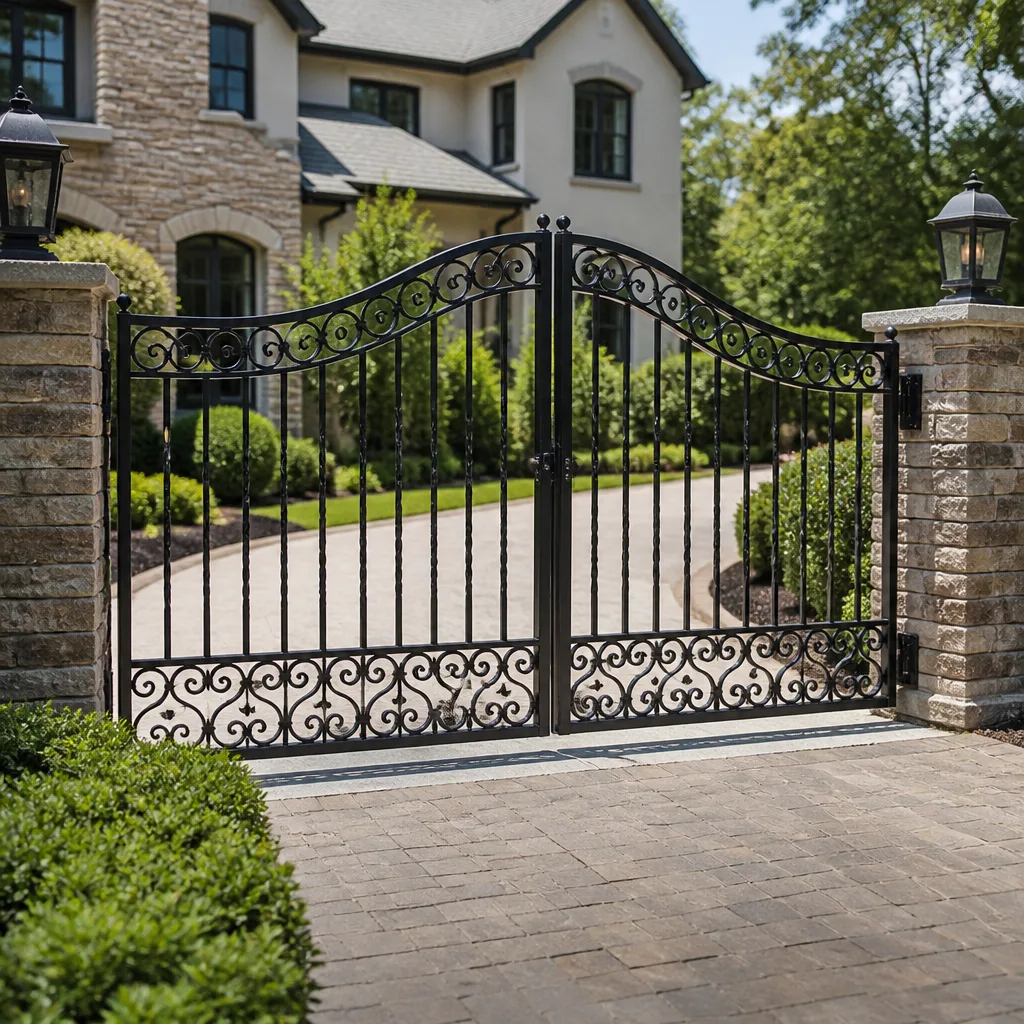 Wrought iron
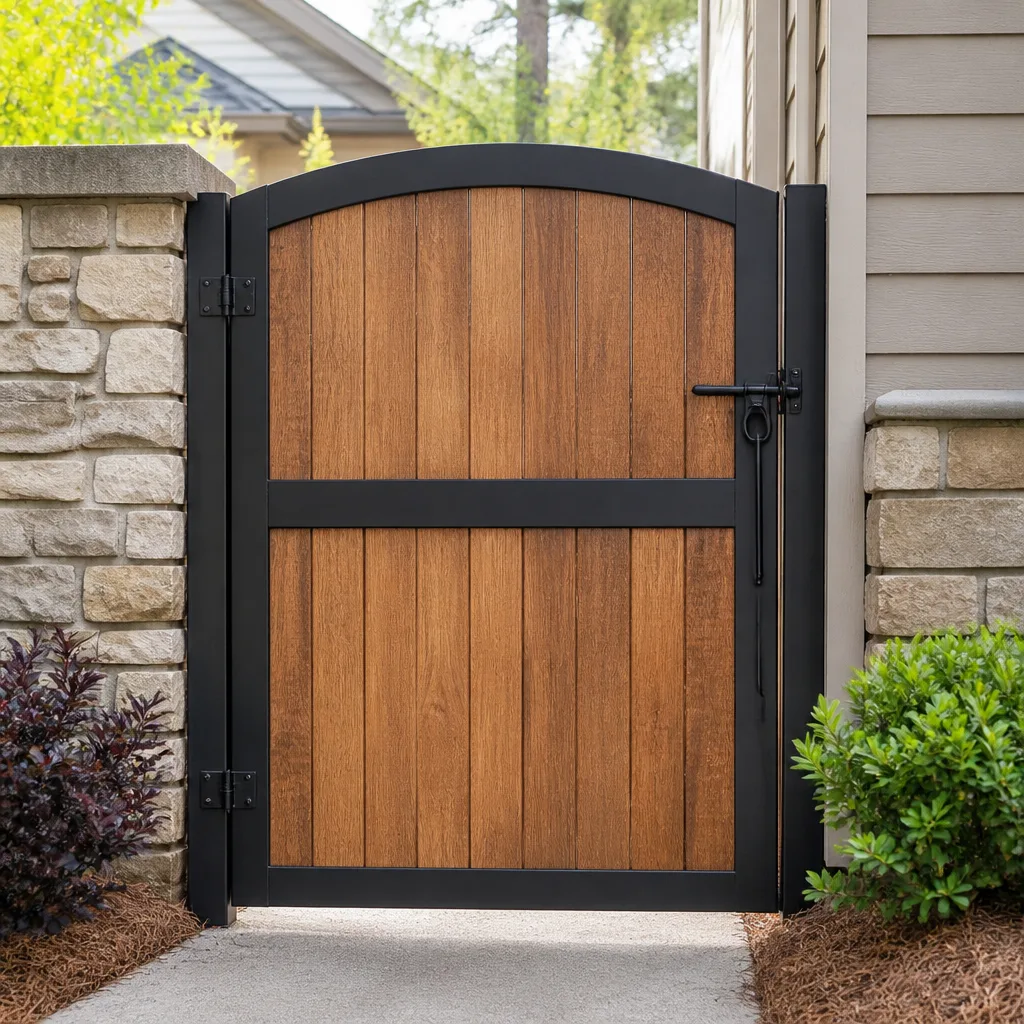 Wood & steel frame
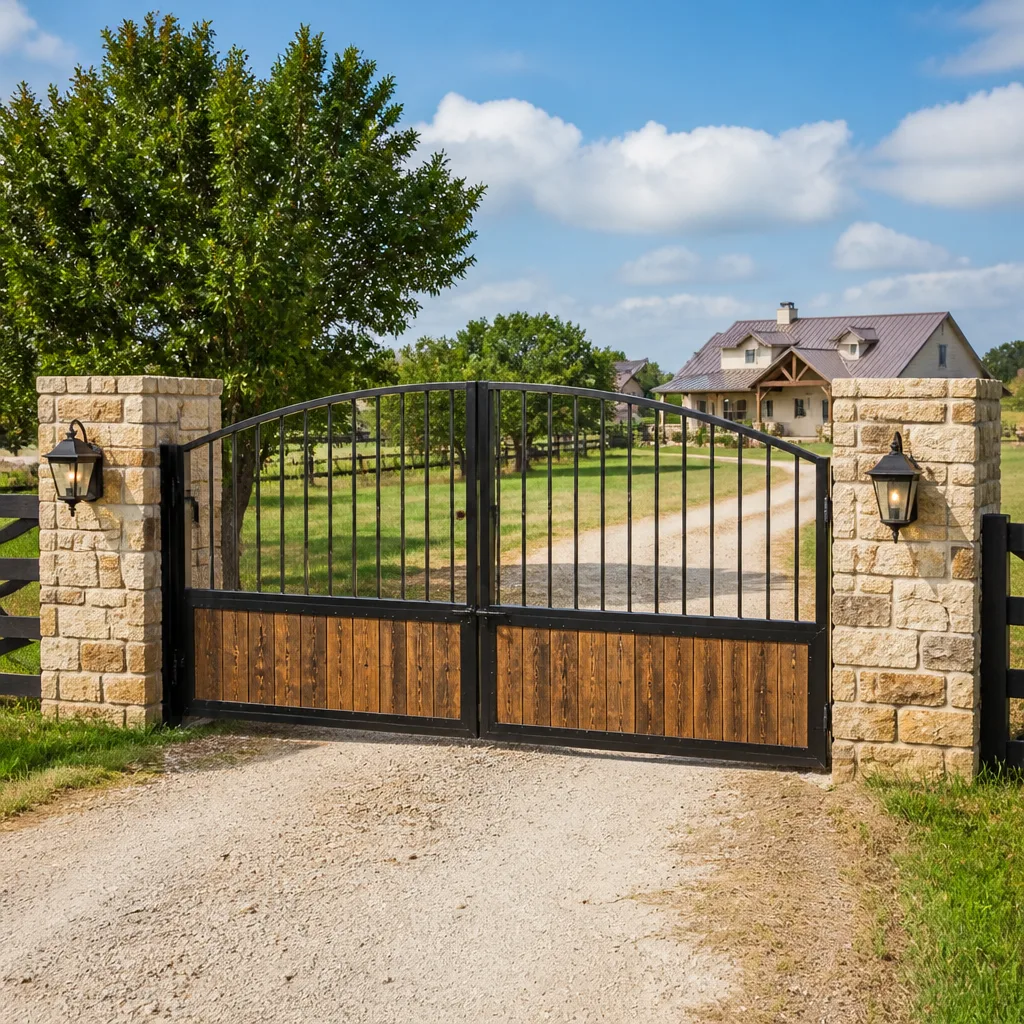 Farm & ranch
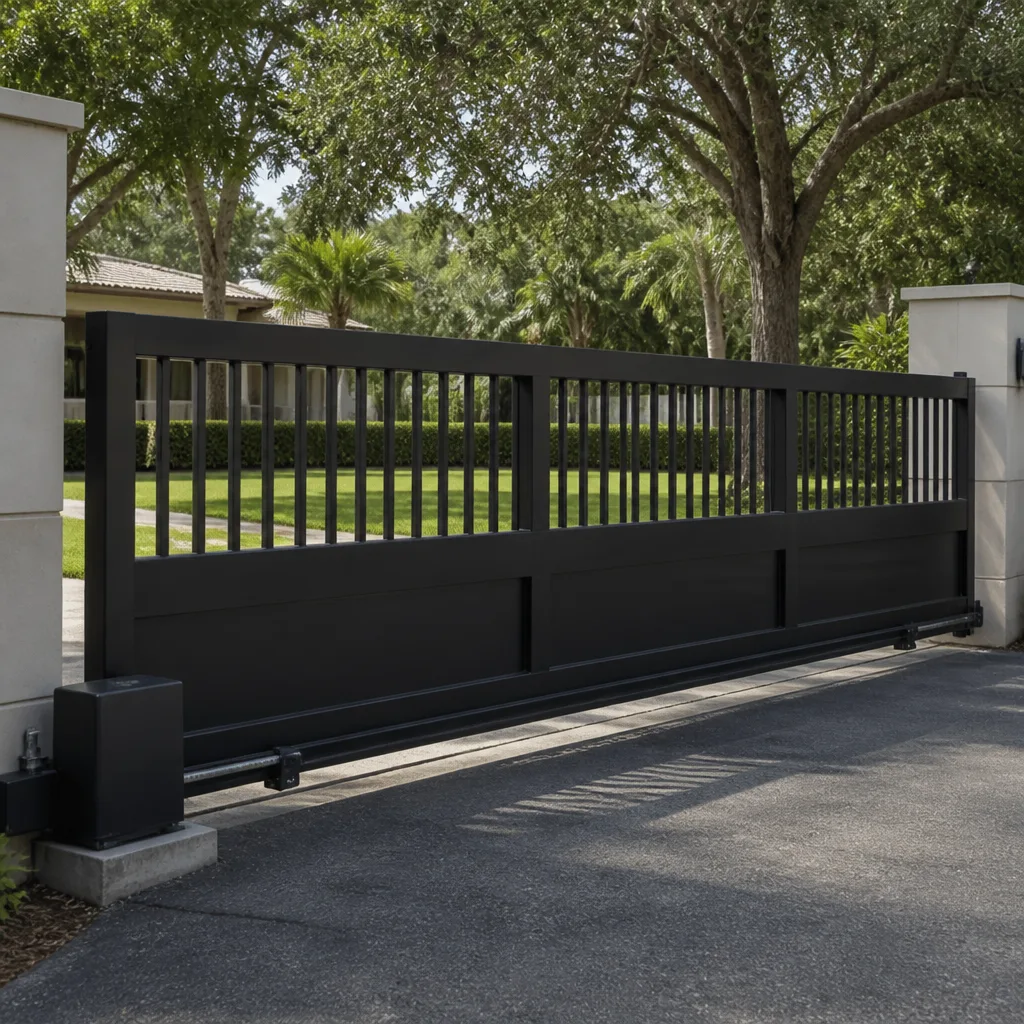 Sliding driveway gates
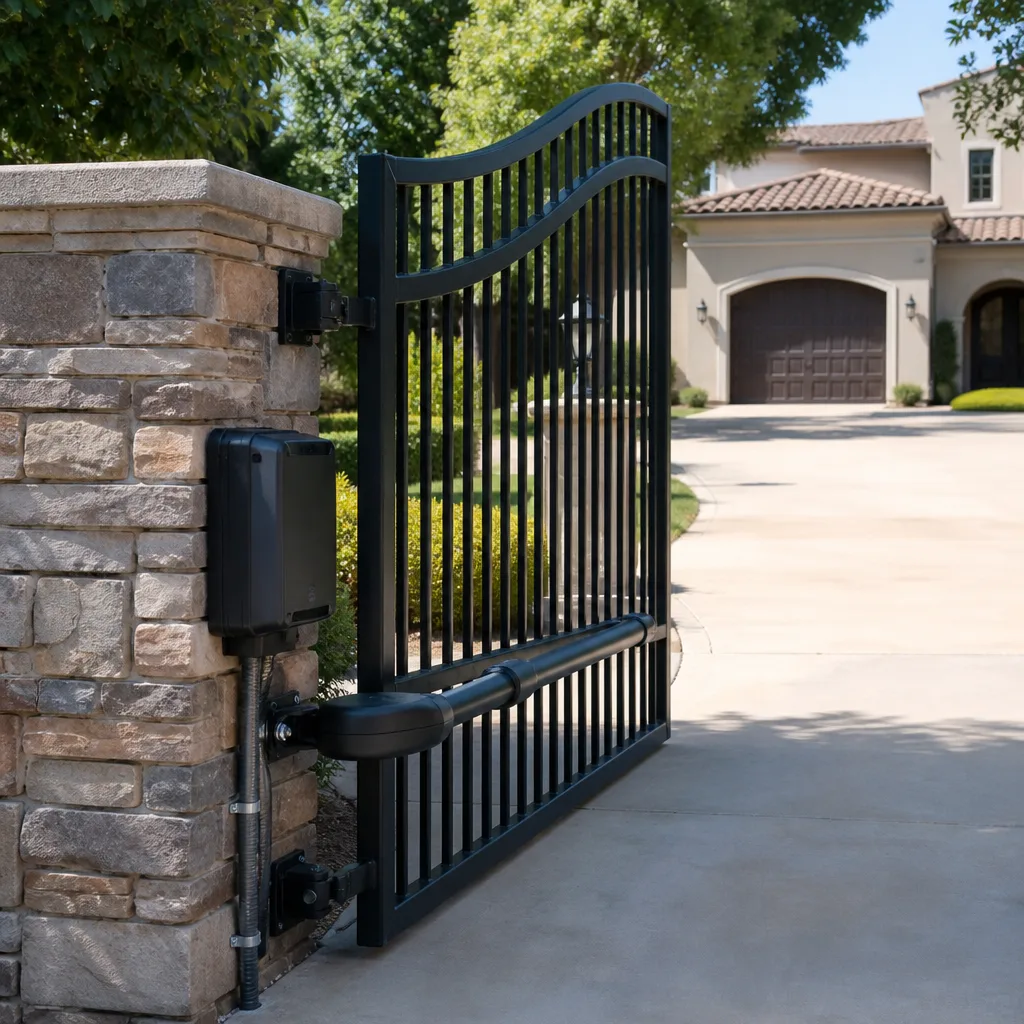 LiftMaster operators
Free on-site gate assessment - hinges, posts, and your LiftMaster or Nice gate operator checked before anything is quoted
The assessment is free and the quote is the invoice.
Get your free estimateGate Repair Warning Signs: A Highland Park Homeowner’s Reference Guide
A gate that pauses for a second before it moves is not being quirky. That hesitation is a torque overload flag, and it’s the kind of signal that tells you the operator is straining against something it shouldn’t be fighting. Wait a month and you may be replacing a drive assembly instead of a pivot bearing. The costly repairs we see on Highland Park gates almost never start with a sudden bang. They start with a subtle noise, a small drift, a control board that behaves differently in cold weather. This guide decodes those signals in plain language, component by component, so you can tell which ones you can watch and which ones mean picking up the phone today.
Quick Answer
The main warning signs of gate trouble are unusual sounds (grinding, clicking, humming without movement), visual cues (rust weeping, weld cracks, drift at full open), and behavioral changes (pauses, reversals, intermittent beeps). A pause or a slow start usually points to binding or a weakening motor. A gate that reverses on its own or ignores its safety sensors is a safety issue and needs a professional visit right away.
Styles & brands we work with
- Wrought iron
- Wood & steel frame
- Farm & ranch
- Sliding driveway gates
- LiftMaster operators
Table of Contents
- What Your Gate’s Sounds Are Telling You
- Visual Warning Signs Homeowners Overlook
- Behavioral Clues: Control Board, Sensor, or Binding?
- Monitor vs. Call Today: Sorting the Signals
- How Highland Park Conditions Change the Warning Signs
- What Different Operators Do When They Fail
- A Simple Seasonal Walk-Around
What Your Gate’s Sounds Are Telling You
Sound is the earliest diagnostic tool you have, and it’s free. Gates don’t groan or click for no reason. Each noise tends to trace back to a specific component, and knowing which one helps you describe the problem accurately when you call. Here’s how we break down the four sounds Highland Park homeowners mention most often.
- Grinding: Metal-on-metal contact, usually a worn bearing, a dry pivot, or a roller that’s seized. Left alone, grinding transfers stress to the operator and shortens its life.
- Clicking: A rhythmic click often points to a slipping chain, a worn gear, or a limit switch that’s not engaging cleanly. A single loud click at the start of travel can be the operator engaging the drive.
- Humming with no movement: The motor is getting power but the gate isn’t moving. That’s typically a binding gate, a failed capacitor, or a stripped gear inside the operator. Stop cycling it and get it looked at.
- Intermittent beeping: On many automated systems, beeping is a fault code or a low-battery signal from the backup supply. It’s the operator telling you something specific, and a technician can read it.
Listen to your gate with the driveway quiet, ideally first thing in the morning before traffic picks up. A sound you can’t place is worth recording on your phone. When we hear it, we can usually narrow down the component before we arrive, which saves time on the visit. Whether your opener is a LiftMaster or a Mighty Mule, the diagnostic logic of sound is the same.
Visual Warning Signs Homeowners Overlook
Most gate problems leave a visual trail, and homeowners walk past it every day. The trick is knowing where to look and what counts as a change. A gate that looks the same to you as it did last year usually is fine. A gate that has developed a new mark, a new tilt, or a new shadow is telling you something.
- Rust weeping patterns. Rust that streaks downward from a weld or a bolt indicates water is getting into a joint and staying there. A single spot of surface rust is cosmetic; a weeping streak is structural and worth a look.
- Micro-cracks at weld joints. Run your eyes along the seams where the frame meets the pickets and the hinges. A hairline crack that grows over a season is a stress point failing, and on a heavy gate that’s a serious concern.
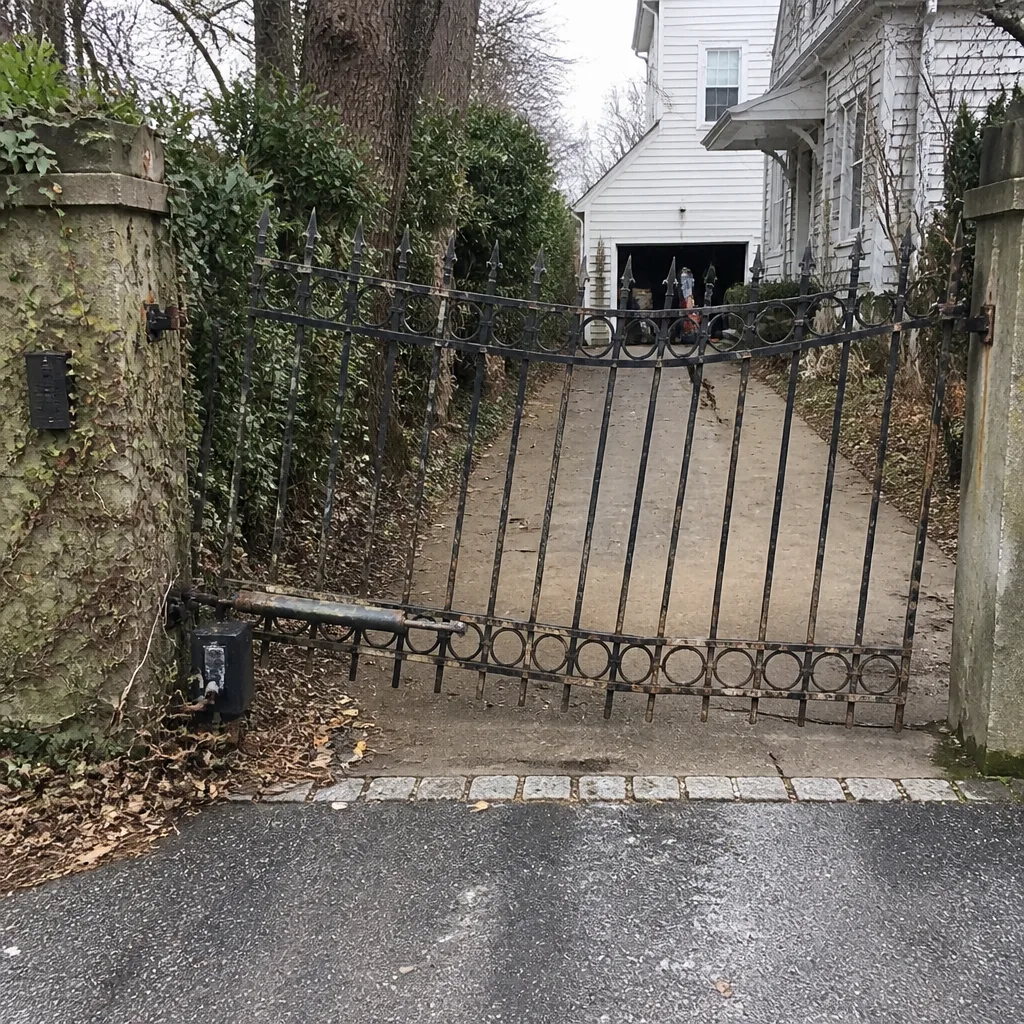
- Drift at full open. Watch the gate as it reaches the fully open position. If the leading edge sags, lifts, or leans outside its normal line, the hinge or the post footing has moved. This is easy to miss because the gate looks fine at rest.
- Fresh gaps at the latch. A gap that’s appeared where the gate meets the post suggests the gate has shifted or the hinge has loosened.
- Loose hardware. Bolts that back out on their own are a sign of vibration from a struggling operator or a loose mount.
These are the signals that separate a tightening-and-adjustment visit from a weld repair or a post reset. Catching them early is the difference between a quick fix and a bigger job.
Behavioral Clues: Control Board, Sensor, or Binding?
Three different problems can produce nearly identical symptoms, which is why gate diagnostics are rarely a five-minute phone call. A gate that stops halfway might have a failing control board, a misaligned safety sensor, or a mechanical bind. Each has a distinct fix, and misdiagnosing one as another is the most common reason a repair doesn’t hold.
Here’s how the three tend to present, from our experience across the brands we service:
- Control board degradation: The gate behaves inconsistently. It works in the morning and not the afternoon. It stops at random points in travel. Settings seem to reset. The operator may beep a code. The mechanical parts feel fine by hand.
- Sensor misalignment: The gate reverses immediately or refuses to close, usually with a photo-eye or safety-edge fault. Sunlight hitting a sensor at a certain angle can trigger it. Debris, spider webs, or a bumped post bracket will do it too.
- Mechanical binding: The gate moves but strains. It hesitates, slows at a specific point, or makes noise. You may be able to feel resistance if you disconnect the operator and move the gate by hand.
If a gate reverses on its own or closes on an obstacle without stopping, treat that as a safety condition, not a convenience issue. The entrapment-protection system exists to stop the gate before it hits a person, a pet, or a vehicle. A sensor that isn’t doing its job is a call-today problem. That’s where a focused diagnostic visit pays for itself, because our gate access control work covers exactly these safety and sensor systems.
Monitor vs. Call Today: Sorting the Signals
Not every warning sign is a same-day call, and we’d rather you not panic over a cosmetic issue. But there’s a clear line between what you can watch and what needs a professional now. This is the list we give homeowners when they ask how urgent something is.
Safe to monitor for a few weeks:
- Surface rust with no streaking
- A single loose bolt you can tighten
- A slow start in cold weather that clears once the gate warms up
- A minor rattle you can identify and track
Call today:
- A gate that reverses or fails to stop at an obstacle
- A safety sensor or photo-eye that’s been bumped, cracked, or is unresponsive
- A gate that has moved off its track or off its hinges
- Humming with no movement
- A post that has visibly shifted or a weld that’s cracking
- Any gate on a slope that drifts open or closed on its own
If your gate falls into the second list, that’s the moment for a specialist. Our gate repair team handles both the mechanical fix and the safety re-check so the gate you rely on is reliable again.
How Highland Park Conditions Change the Warning Signs
Highland Park’s weather shapes how gates fail, and it shapes the warning signs you’ll see. Two forces matter most: the freeze-thaw cycle and the lake-driven moisture that settles into the region. Both show up in the gate long before they show up in the invoice.
Freeze-heave stress is the big one. Through winter, the ground expands and contracts under a gate post, and that movement can push a post slightly out of plumb. You won’t notice it in January, but by spring the gate will drift at full open, or the latch will grab differently. On automated gates these shifts strain the operator, because the motor is now fighting a gate that’s not square. The telltale sign is a pause or a hesitation that disappears in summer. A post that’s heaved is worth a professional look, not a weekend of shimming.
Moisture and rust work on Highland Park gates more slowly than in coastal climates, but they’re still there. Lakeside moisture settles into weld joints and pivot points, and the result is rust weeping from the seams. This is why we recommend a visual walk-around in early spring and late fall, when the gate is at its most stressed and most exposed.
Highland Park’s older neighborhoods sit on soil that shifts with the seasons, and driveways set on slopes are common. On a sloped driveway, a gate that’s slightly off-level will drift open on its own, which is both a functional and a security problem. If you notice drift, our gate motor & opener service can re-check the limits and the operator against the actual gate geometry.
What Different Operators Do When They Fail
Every brand has its own failure personality, and knowing yours helps you interpret the warning signs. Because we service across many manufacturers, we can compare and recommend without a bias toward one. Here are a few you’ll find on Highland Park properties.
- LiftMaster: Residential units with a strong diagnostic beep pattern. Battery backup models tend to signal a low battery with beeps before a full failure, and the control board is usually the last thing to go.
- FAAC: Heavy-duty swing and slide operators often found on larger driveways. When a FAAC starts to hesitate, the cause is usually mechanical binding or an encoder issue rather than the board.
- Elite: Common on residential swing gates. Slower travel and reversed sensors are the symptoms to watch, and they often trace to a misaligned limit or a worn pivot.
- Mighty Mule: Budget residential operators that tell you when they’re struggling with a fault light or beep pattern. A slow, labored cycle is your early signal that the gate has gotten heavy and needs mechanical attention.
DoorKing, BFT, Linear, Viking, and Ghost Controls all have their own diagnostic behaviors too. The point is that a specialist who knows the brand can read the operator’s own signals instead of guessing. Our Highland Park Gate Repair Pros team works this way on every call.
A Simple Seasonal Walk-Around
You don’t need tools to catch most of these problems. A ten-minute walk-around every few months, plus one in early spring and one in late fall, will surface the warning signs before they become repairs. Here’s the routine we suggest.
- Listen to a full cycle. Stand back and let the gate open and close. Note any grinding, clicking, humming, or beeping.
- Watch the gate at full open and full close. Look for drift, sag, or a leading edge that’s off its normal line.
- Inspect the frame and welds. Look for rust weeping and cracks at the joints. Run your eyes, not your fingers.
- Check the safety sensors. Make sure the photo-eye lenses are clean and clear, and confirm the gate stops or reverses when an object is placed in its path. Don’t test this with a person or pet.
- Test the latch and hardware. Confirm the gate closes squarely and the latch catches cleanly.
- Look at the post. Check for shift or lean. If the gate drifts on a slope, don’t shim it yourself.
If you find a safety issue, don’t test it to failure. Shut the gate off and have it looked at by a trained professional. Electrical wiring and safety-edge systems are not a DIY job.
Common Mistakes to Avoid
- Ignoring a pause or hesitation. A gate that pauses before moving is telling you the operator is fighting resistance. Waiting a month often turns a bearing or pivot fix into a drive assembly replacement.
- Treating a reversing gate as a quirk. A gate that reverses on its own is a safety problem, not a personality trait. Entrapment protection is a safety system, and it needs a professional look.
- Shimming a heaved post. A post that has shifted from freeze-heave in Highland Park needs the right correction. Shims can make the gate level while adding stress that shortens the operator’s life.
- Assuming the control board is bad first. Sensor misalignment and mechanical binding mimic control board failures. A proper diagnosis saves you the cost of a board you didn’t need.
- Pushing past a grinding noise. Grinding is metal-on-metal contact. Every cycle does more damage and puts more load on the motor.
- Testing safety sensors with your body. Never put a hand, foot, or pet in the gate’s path to test a sensor. Use an object and a clear plan.
- Overlooking rust weeping. A single rust spot is cosmetic; a streaking pattern is structural. Know the difference before you dismiss it.
See the difference
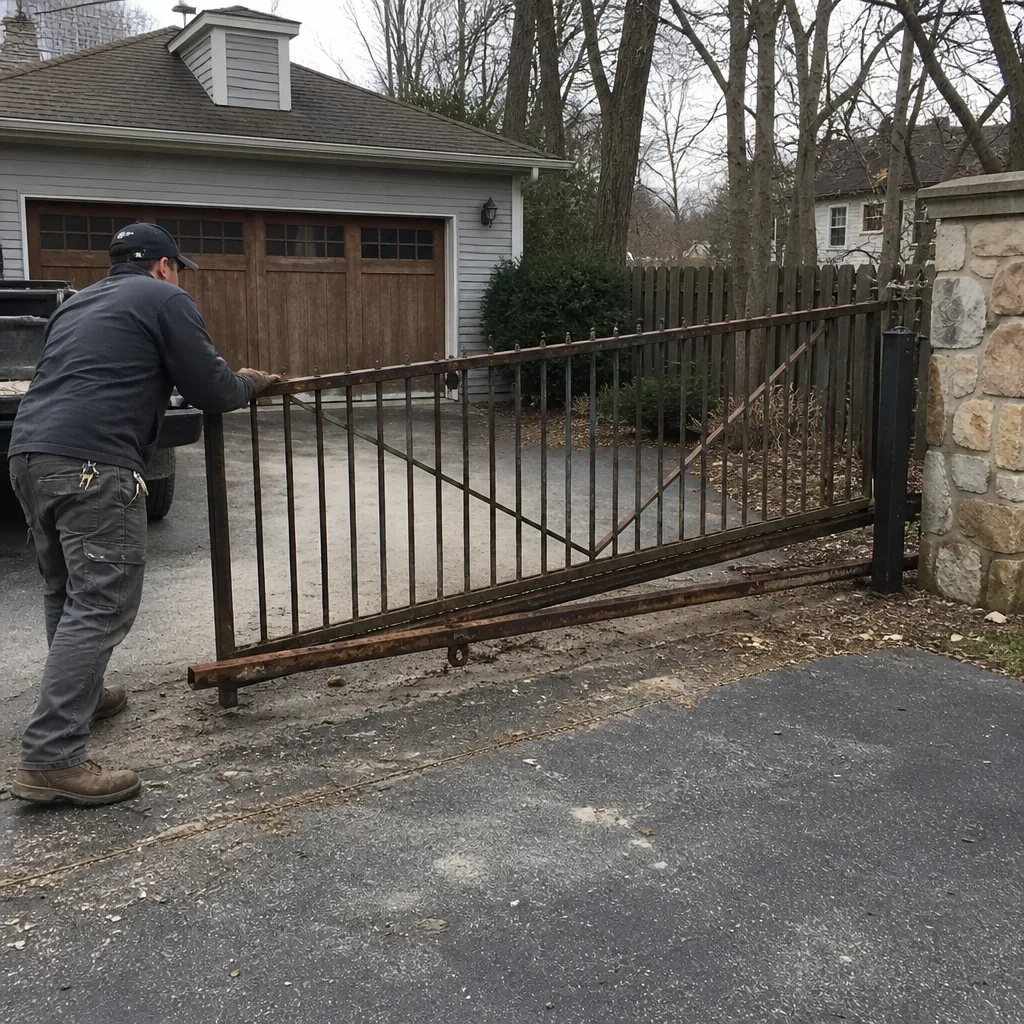 Before
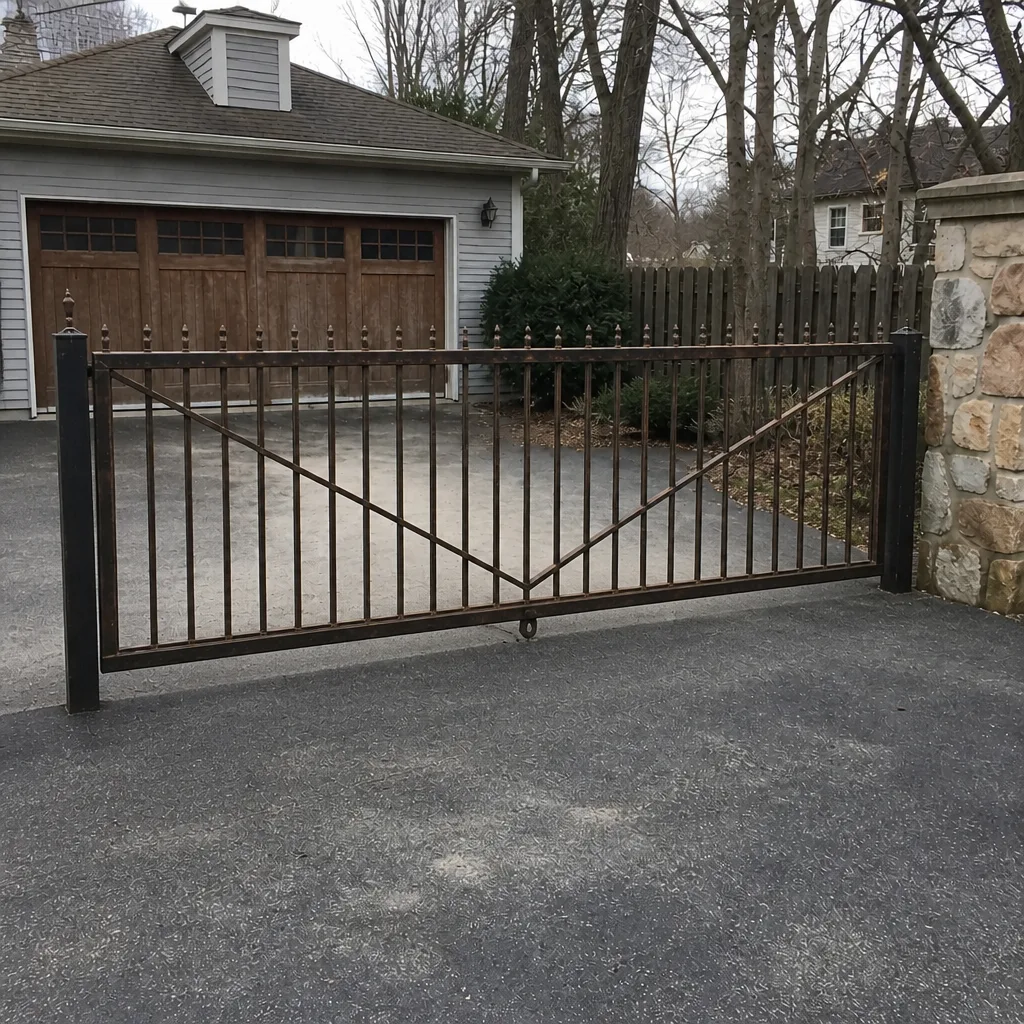 After
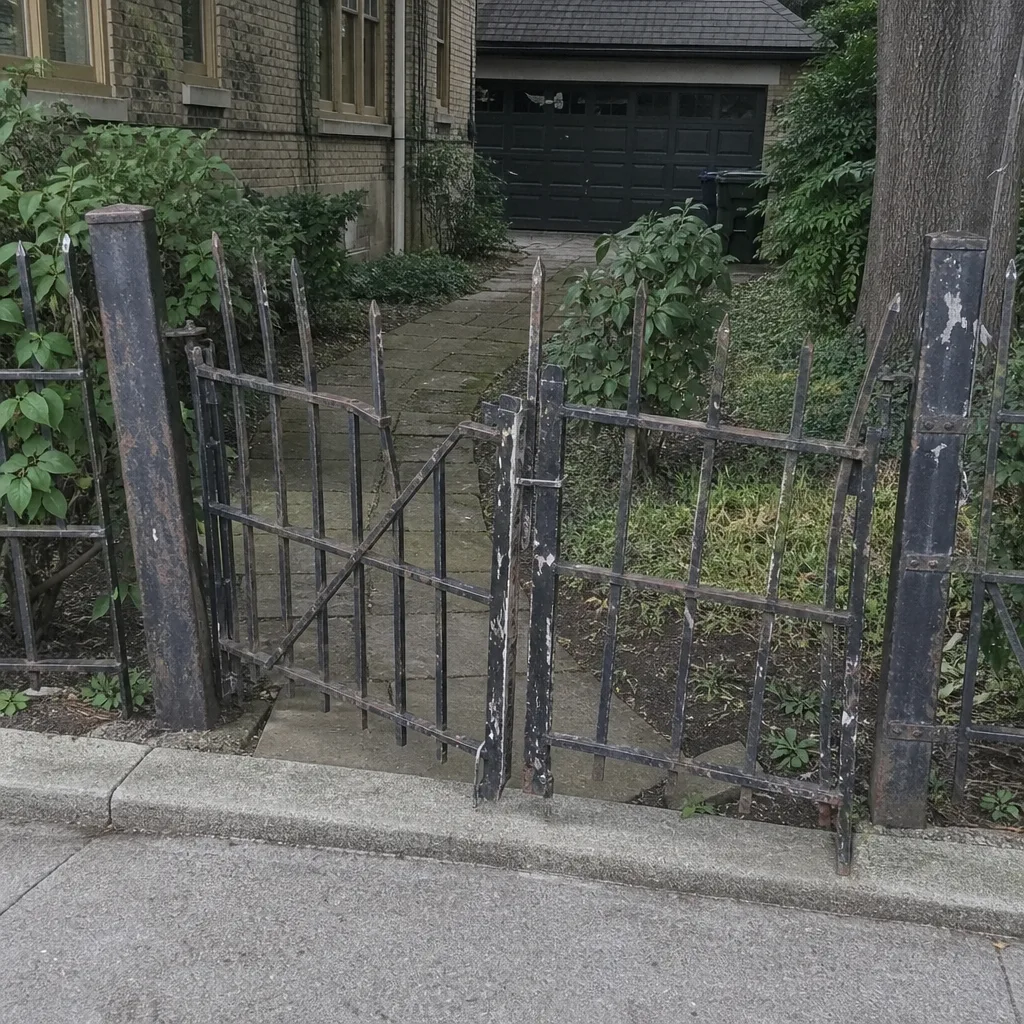 Before
 After
 Before
 After
When to Call a Professional
Call a professional when the warning sign touches safety, structure, or the operator’s electrical system. That means a gate that reverses or fails to stop, a post that has shifted, a weld that’s cracking, a gate that has moved off its track, or an operator humming without moving. It also means any issue you can’t identify with certainty. We diagnose across the major brands so you get a straight answer, not a sales pitch. Highland Park Gate Repair Pros offers free estimates in Highland Park. Call (833) 513-8561. We answer 24/7. Fast dispatch from 7am to 7pm, Sunday through Friday. The price is set per job by the written estimate, and it’s agreed before any work starts, so there are no surprises on the invoice.
Frequently Asked Questions
The earliest warning signs are a pause or hesitation before the gate moves, a new grinding or clicking noise, and a gate that drifts at full open. These often point to binding, a worn pivot, or a post that has shifted. A reversing gate or a non-responsive safety sensor is a call-today safety issue. Call (833) 513-8561 for an exact quote. Estimates are free.
A motor that hums without moving the gate should be shut off and looked at as soon as possible. It usually means the operator is getting power but the gate is bound, or a gear or capacitor has failed. Cycling it repeatedly can cause more damage. Call (833) 513-8561 for an exact quote. Estimates are free.
A gate that reverses immediately, refuses to close, or ignores an obstacle in its path likely has a safety sensor problem. Clean the lenses and check for a bumped bracket first. If the behavior continues, have a professional check it. Never test the sensor with a person or pet in the gate’s path. Call (833) 513-8561 for an exact quote. Estimates are free.
Freeze-heave under the gate post can push it slightly out of plumb, which strains the operator and produces hesitations or drifts that clear in summer. Cold also thickens lubricant and thins battery backup performance. If a cold-weather hesitation becomes a year-round problem, the gate needs a professional inspection. Call (833) 513-8561 for an exact quote. Estimates are free.
No. Grinding is metal-on-metal contact, and fixing it on an automated gate means dealing with the operator’s electrical system and tension-loaded components. That’s a trained-professional job. Self-repair risks injury and often makes the underlying issue worse. Call (833) 513-8561 for an exact quote. Estimates are free.
A visual walk-around every few months, plus a professional look when a sign appears, catches most problems early. Visual checks are free and take ten minutes. A professional diagnostic is worth it whenever you see a safety signal, a structural change, or a behavior you can’t identify. Call (833) 513-8561 for an exact quote. Estimates are free.
The Bottom Line
Gate failures telegraph themselves. A pause, a grind, a drift, a beep, or a rust streak is a signal, and reading it early is what keeps a small repair from becoming a motor replacement. Highland Park’s freeze-heave cycle and seasonal moisture shape which signals show up and when, so a walk-around in early spring and late fall pays off. When a sign touches safety, structure, or the electrical side of the operator, don’t wait. Our technicians have up to 11 years of experience across the major brands. Call Highland Park Gate Repair Pros at (833) 513-8561 for a free estimate. We answer 24/7. Fast dispatch from 7am to 7pm, Sunday through Friday.
Written by the team at Highland Park Gate Repair Pros.