
Last updated November 25, 2026
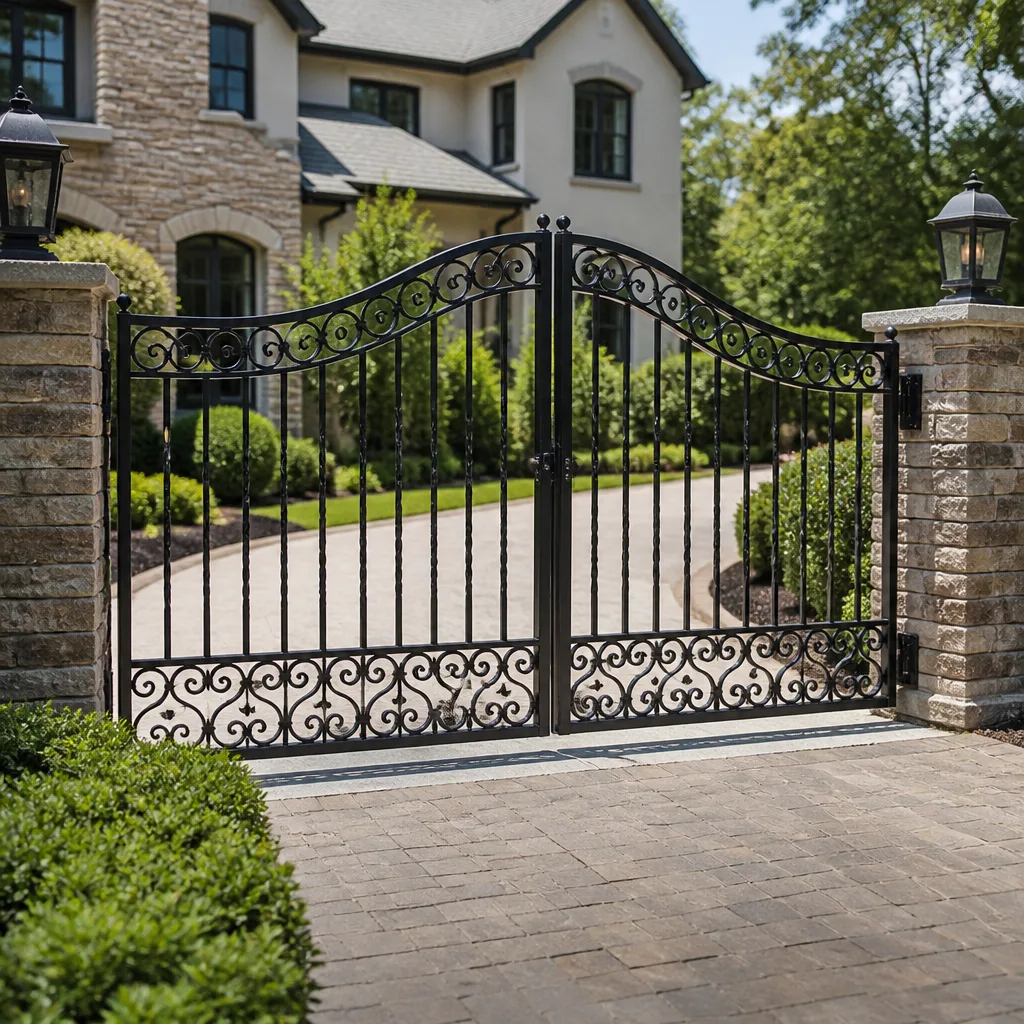 Wrought iron
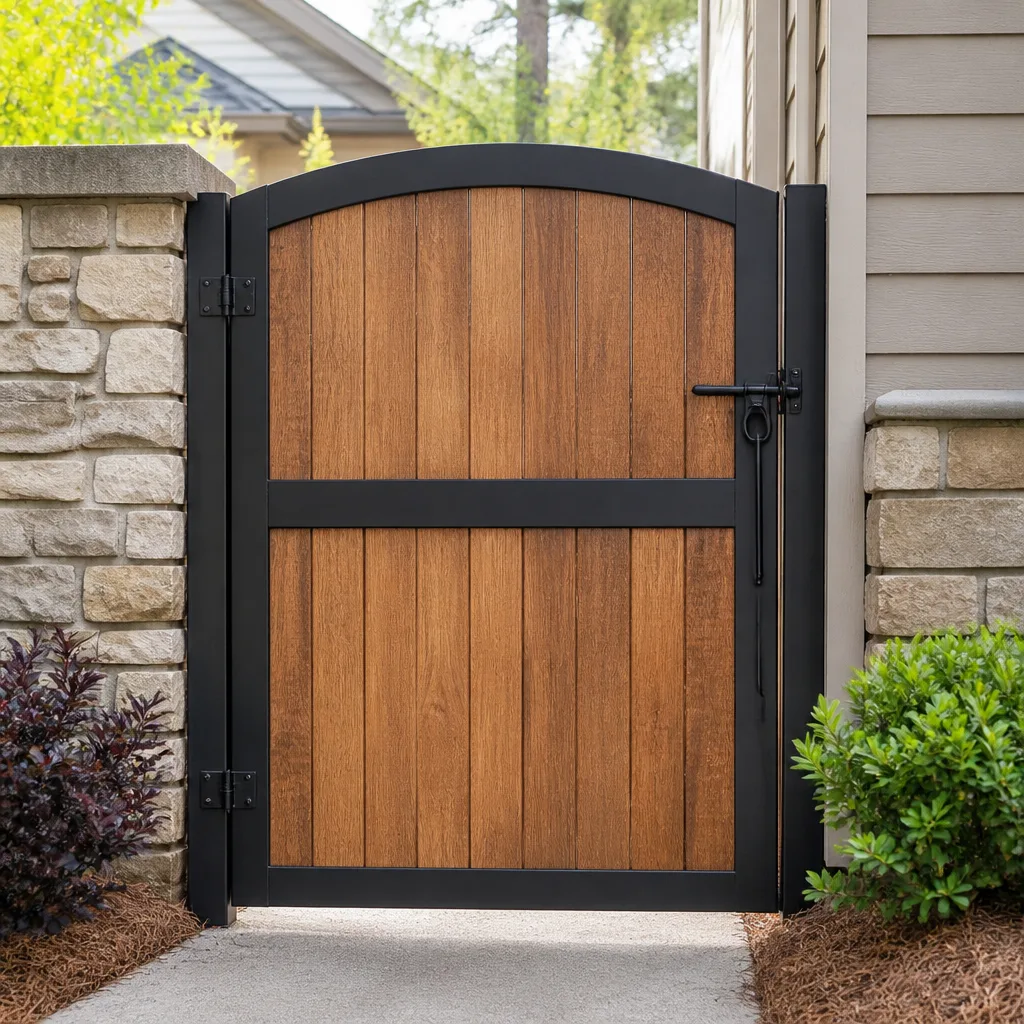 Wood & steel frame
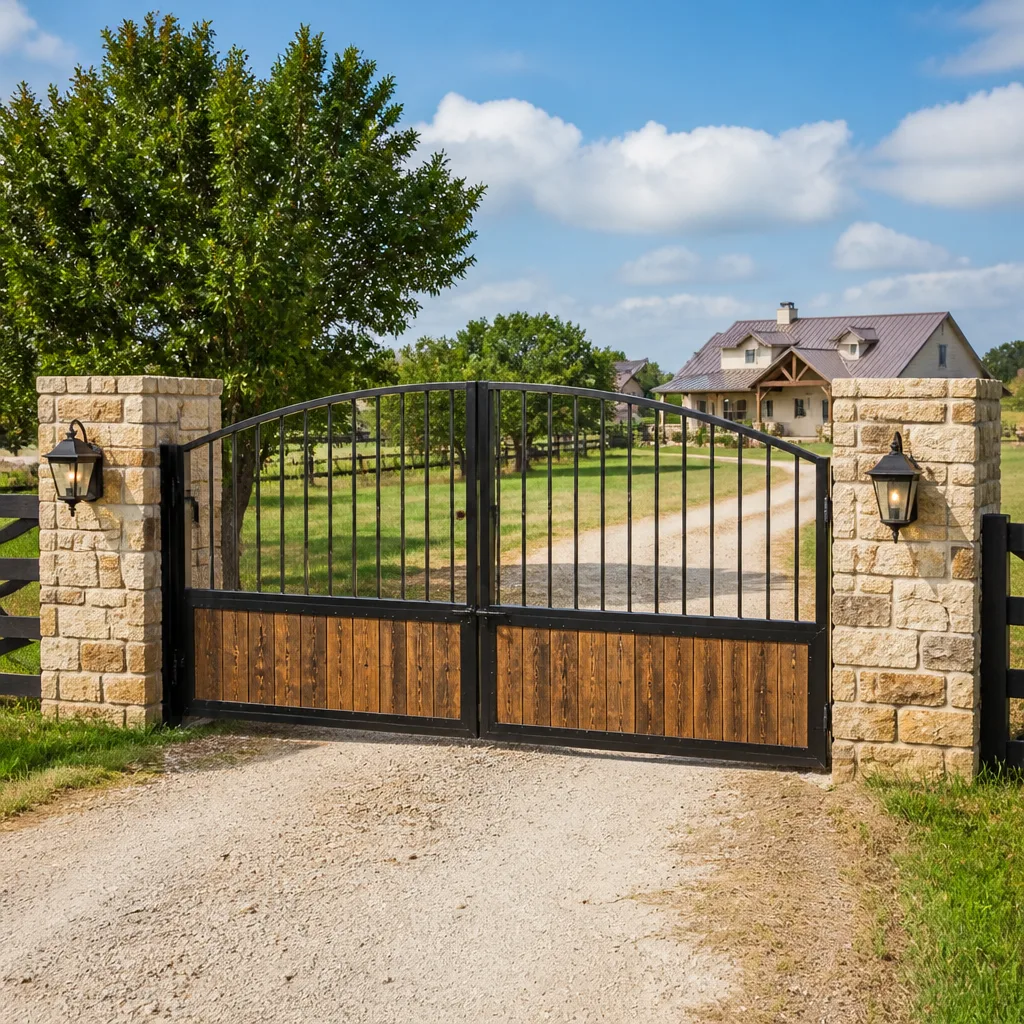 Farm & ranch
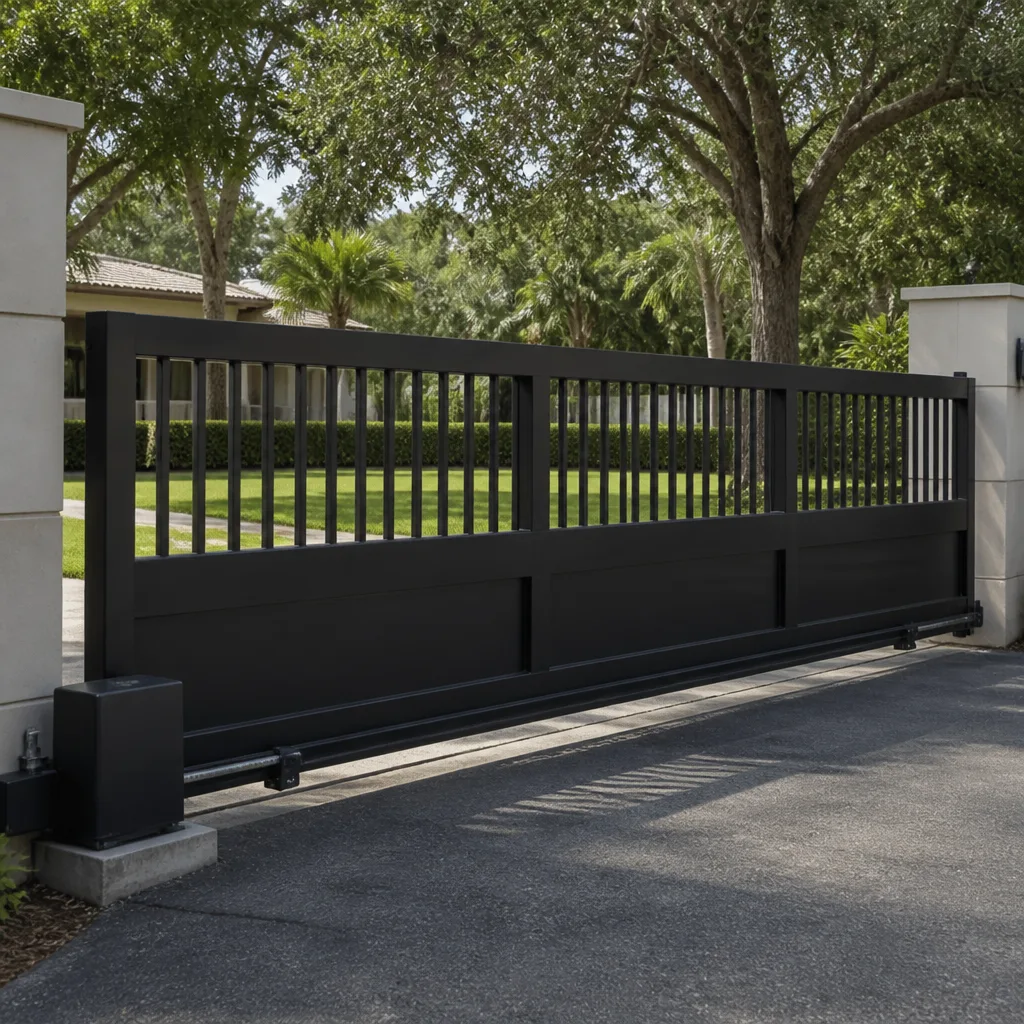 Sliding driveway gates
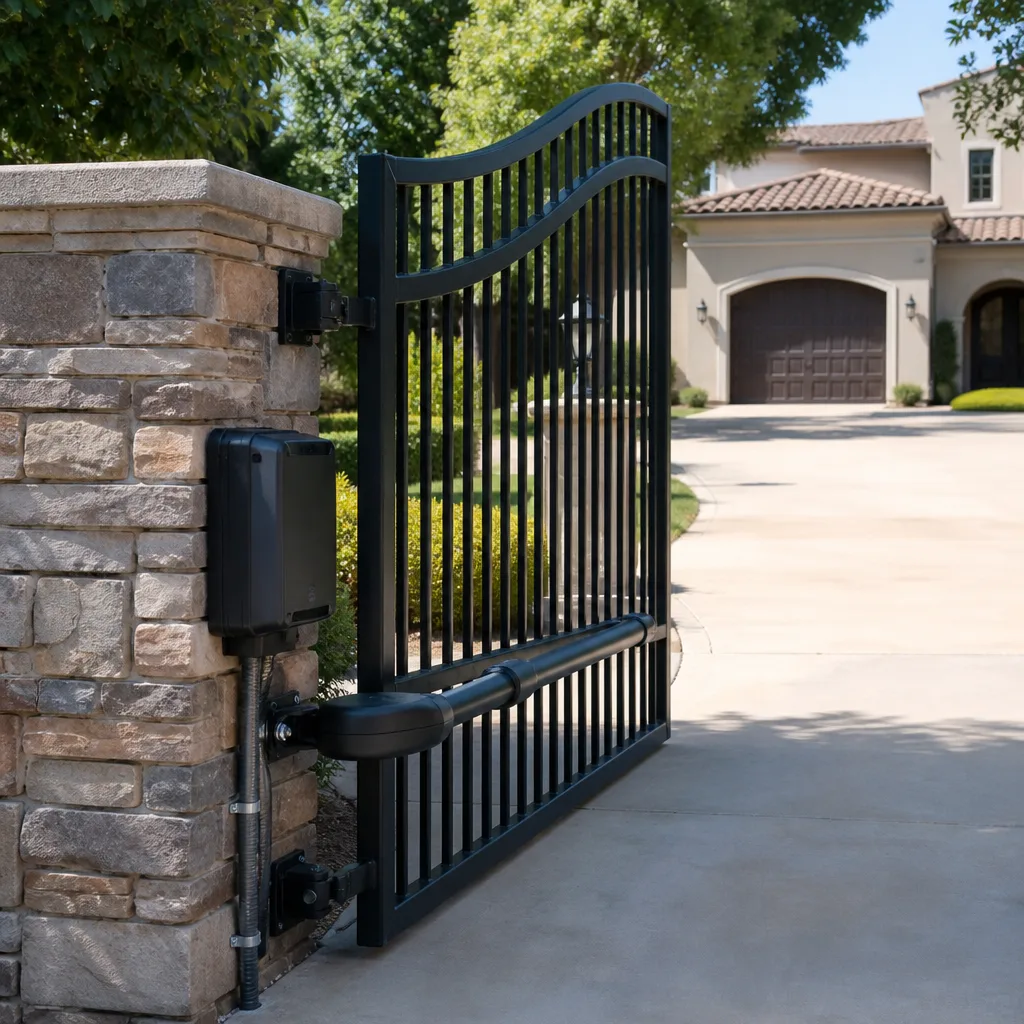 LiftMaster operators
Free on-site gate assessment - hinges, posts, and your LiftMaster or Nice gate operator checked before anything is quoted
The assessment is free and the quote is the invoice.
Get your free estimateSeasonal Gate Repair Care for Highland Park: Year-Round Homeowner’s Guide
Here’s the part most homeowners get wrong: an even spread of gate maintenance across the calendar is the wrong strategy in Highland Park. Freeze-thaw cycles do far more damage to a gate than summer ever will, and by the time June arrives, the harm is already baked in. The heaviest wear lands in winter and the spring thaw, not in the warm months. That means your real maintenance windows sit in October and April, when you can get ahead of the damage instead of reacting to it. This guide maps the actual seasonal risk curve for a Highland Park gate system so your effort lands where the stress really is.
Quick Answer
In Highland Park, front-load your gate maintenance into two windows: October, to prepare for freeze-thaw, and April, to catch what winter moved before you lean on the system again. Winter and the spring thaw combine to trigger most annual gate failures, while summer care is mostly about humidity, UV, and one good visual check. Matching your effort to that curve catches problems early and keeps a gate operating through every season.
Styles & brands we work with
- Wrought iron
- Wood & steel frame
- Farm & ranch
- Sliding driveway gates
- LiftMaster operators
Table of Contents
- Why Gate Stress Isn’t Spread Evenly Across the Year
- The Fall Pre-Winter Protocol: What to Adjust Before the First Freeze
- Freeze-Thaw and Your Gate: Posts, Hinges, and Underground Conduit
- The March Inspection: What to Check Before Powering Back Up
- Summer Humidity and UV: What Degrades Fastest in a Lake Michigan Summer
- Reading Seasonal Diagnostic Codes on Your Operator
- A Month-by-Month Task Calendar for Highland Park
Why Gate Stress Isn’t Spread Evenly Across the Year
A gate system doesn’t experience the year in equal quarters. In Highland Park, the ground under the posts goes through repeated freeze-thaw cycles, and that movement is the single biggest source of the misalignment, binding, and operator strain we diagnose. A gate that sat perfectly true in September can be working against its own frame by February. The damage accumulates quietly and only shows up as a failure later.
The practical result is a risk curve with two tall peaks. One arrives in the deep cold, when metal contracts, lubricants thicken, and any moisture that found its way into a hinge or a conduit freezes and expands. The other arrives with the spring thaw, when the ground softens, posts settle or shift, and a system that ran all winter is suddenly fighting a slightly different geometry. Summer is comparatively gentle on the mechanical parts, though it brings its own slow wear from humidity and sunlight.
That’s why the conventional advice to “service the gate once a year” undersells the job. Spreading effort evenly leaves you reactive in the months that matter. The homeowners and property managers who get the most life from a system are the ones who think in seasons, not anniversaries.
A quick orientation for anyone new to the trade-offs: manual and automated gates age differently, and access-controlled systems add electronics that respond to temperature as well. If you’re sorting out which parts of your gate fall under which kind of service, our gate repair overview covers how the mechanical and electronic sides are diagnosed. The point here is simpler: the calendar itself is a diagnostic tool. When a problem shows up tells you a lot about what caused it.
The Fall Pre-Winter Protocol: What to Adjust Before the First Freeze
The October window is your best chance to prevent the five most common winter failures: a gate that won’t fully close, an operator that slams or stalls in the cold, hardened hinges, a limit that drifts out of position, and water freezing where it shouldn’t. None of these need to be a surprise. A focused pre-winter pass addresses each one before temperatures drop far enough to make them inevitable.
Here’s the sequence we walk through on a fall visit:
- Re-calibrate the limit switches. As temperatures fall, metal frames and gate panels contract slightly. A limit set in comfortable weather can end up short of fully closed or fully open in the cold. Re-setting the open and close limits in fall means the operator isn’t working against a mechanical bind all winter.
- Swap to a cold-weather lubricant. The grease that flows nicely in September can thicken into resistance by January. A lubricant rated for cold temperatures keeps hinges, rollers, and moving linkages moving freely instead of loading the motor.
- Clear ground-level drainage. Water that pools at the base of a post or sits in a low spot near the track is water that will freeze and heave. Cleaning out drainage paths in fall removes the moisture before it can expand.
- Inspect hinges and hardware for looseness. A slightly loose hinge is a nuisance in mild weather and a stress point once the cold adds contraction. Tightening and checking hardware in fall prevents the wobble from turning into a bind.
- Test the safety devices. Photo-eyes and safety edges should be verified before winter, because a safety device that hesitates in the cold can stop a gate mid-cycle. Better to find that in October than on a freezing morning.
This is the highest-leverage maintenance hour you’ll spend all year. If your system runs on an operator like a Ghost Controls or Mighty Mule unit, the fall limit check matters even more, since those residential-grade openers are sensitive to a gate that suddenly resists. Getting the geometry right before the freeze is what keeps the motor from compensating all winter. For systems tied into keypads and intercoms, have the gate access control side verified at the same time so a winter failure doesn’t leave you locked out with no way to override.
Freeze-Thaw and Your Gate: Posts, Hinges, and Underground Conduit
Freeze-thaw is the quiet engine behind most Highland Park gate problems. Water gets into a small gap, freezes, expands, and widens that gap a little more with each cycle. Over a winter, that repeated expansion moves things that were never meant to move. The gate itself doesn’t fail dramatically; it drifts out of alignment a fraction at a time until the operator can no longer compensate.
What happens to the posts
Posts set in the ground are held by soil that swells when it freezes and softens when it thaws. In Highland Park, that cycle can push a post slightly out of plumb or shift it laterally. A gate hung on a post that has moved a fraction of an inch will bind, scrape, or hang unevenly. You may notice the gate is harder to move by hand, or that the operator seems to labor more than it used to. That’s the post talking, not the motor.
What happens to the hinges
Hinges are exposed to moisture and temperature swings more than almost any other part. Any water that seeps into a hinge pin can freeze and add resistance, and the repeated cycle wears the pivot. A hinge that starts stiff in January is often a hinge that needed attention in October. Hinge condition is one of the most common reasons a gate stops swinging smoothly in cold weather.
What happens to underground conduit
For automated gates, the low-voltage wiring that runs out to the operator often passes through buried conduit. Freeze-thaw can shift the ground around that conduit, and in some cases water can enter and freeze within it. That’s one reason a gate can show intermittent electrical faults in cold months that vanish when things warm up. If a system behaves differently in deep winter than in fall, buried conduit and its connections are worth a look.
Because this work involves the operator’s power and wiring, along with heavy panels that can crush if a gate drops or swings unexpectedly, it isn’t a do-it-yourself inspection. A trained technician can check post movement, hinge condition, and conduit integrity safely. If your gate is already binding or stalling as the weather turns, our gate motor & opener service covers the electrical and mechanical side together, which is usually where a freeze-thaw problem actually shows up.
The March Inspection: What to Check Before Powering Back Up
When the ground thaws, the gate is at its most vulnerable in a different way. Everything that froze has now shifted, settled, or loosened, and the system hasn’t yet been tested under normal load. March is the moment to catch that movement before you rely on the gate day to day. Powering a system back up and trusting it without a check is how a small misalignment becomes a motor problem.
A spring inspection runs through these checks:
- Walk the gate by hand first. Before relying on the operator, move the gate manually and feel for binding, scraping, or uneven resistance. If it doesn’t move freely by hand, the operator will fight it, and that fight is what wears a motor out.
- Check post plumb and gate level. Look for a post that has shifted over the winter. A gate that no longer sits square in its frame is a gate that will bind.
- Inspect hinges and hardware for winter wear. Rust, stiffness, and loose fasteners all show up here. Address them before they load the operator.
- Look at the ground and track. Settled soil, a shifted track, or a roller that no longer sits right are all common after a thaw.
- Verify safety devices and limits. Confirm the photo-eyes and safety edges function, and that the open and close limits still match the gate’s actual travel after any settling.
Only after these checks does it make sense to put the system back under full operator load. Doing it in this order protects the motor from doing the work of a misaligned gate. From the customers we serve in Highland Park, spring is when the “it worked fine in the fall” calls come in, and almost always the gate moved over the winter rather than the operator failing on its own. That’s why we treat the mechanical check as the first step, not the last. If you want the full picture of how we diagnose a system stage by stage, the team behind Highland Park Gate Repair Pros lays out the service across the whole gate, not just the part that won’t move.
Summer Humidity and UV: What Degrades Fastest in a Lake Michigan Summer
Summer is gentler on the mechanical side, but it’s not idle time. A Lake Michigan summer brings humidity and strong sun, and those two together age certain components faster than the cold does. The good news is that most summer wear is visible. A mid-season visual check catches the early signs before they turn into a repair, and it’s the easiest inspection of the year to fold into a normal walk around the property.
These components degrade fastest in a humid, sun-heavy summer:
- Rubber and plastic seals. Safety-edge rubber and weather seals dry out and crack under UV, which can affect how a safety edge responds.
- Photo-eye lenses and housings. Sun and grime cloud the lenses, and a dirty or hazed photo-eye is a common cause of a gate that stops mid-cycle for no obvious reason.
- Control-board enclosures and gaskets. Humidity finds its way past a tired gasket, and moisture on a control board causes faults that come and go with the weather.
- Painted and powder-coated surfaces. Sun exposure fades and micro-cracks finishes, which lets moisture in and starts corrosion on the frame.
- Keypads and intercom housings. Outdoor access-control hardware takes the brunt of UV and humidity; worn buttons and hazed displays are summer findings.
A mid-season check is mostly visual: look at seals, clean the photo-eyes, check the finish, and glance at any outdoor keypad. For access-controlled systems built on DoorKing or Elite hardware, that quick look at the entry hardware heads off a lockout before it happens. None of it is heavy work, and it keeps the small summer wear from compounding into a fall surprise.
Reading Seasonal Diagnostic Codes on Your Operator
Here’s a subtlety that trips up a lot of homeowners: not every diagnostic code means the part is broken. Many codes that appear in January are thermally triggered, meaning the operator is reporting a condition created by cold, not a failed component. Clear weather arrives, the code disappears, and people assume it was a fluke. It wasn’t. The system was telling you the truth about the temperature.
When you see a code, the season itself is part of the diagnosis:
- Codes that show up only in deep cold. These often point to added resistance from stiff lubricant, contracted metal, or a gate binding against a shifted frame. The operator is protecting itself from an overload it can’t overcome.
- Codes that appear during the spring thaw. These often trace to a limit that no longer matches the gate’s travel after settling, or to moisture that found its way into a connection.
- Codes that come and go with humidity. Intermittent faults in summer frequently point to moisture at a control board or a hazed photo-eye rather than a failed motor.
This is where brand familiarity earns its keep. Whether the unit is a LiftMaster, a Linear, or a Mighty Mule, the code vocabulary and the way each brand reports a thermal condition vary, and reading them correctly saves you from replacing a part that was never the problem. The right move is to write down the code, note the weather when it appears, and have a technician read it in context. That context is what separates a real diagnosis from guesswork. When a system needs deeper work, the full range of what we handle lives under gate repair, and if the operator itself is the issue, gate motor & opener covers the drive side. If your gate also controls access through a keypad or intercom, note that a code is rarely an access problem on its own; the gate access control system reports separately, and mixing the two up sends you chasing the wrong part.
A Month-by-Month Task Calendar for Highland Park
A generic national maintenance template doesn’t match this climate. What matters in Highland Park is the freeze-thaw rhythm and the two windows that bracket it. Here’s a task calendar built around that rhythm rather than a flat, evenly spread schedule. Treat it as a guide, and match it to how heavily your gate is used.
Fall (September to November): the front-loaded window
- September: Clean drainage paths and low spots before the wet season. Inspect hinges and hardware.
- October: Re-calibrate limit switches, swap to cold-weather lubricant, tighten hardware, and test safety devices. This is the most important month on the calendar.
- November: A final walk-through before the first hard freeze. Confirm everything you adjusted in October is holding.
Winter (December to February): monitor, don’t force
- Watch for codes and stiffness. If the gate binds or the operator stalls, note the conditions and call rather than forcing it open or closed.
- Keep the area around the gate clear so a drifted or shifted gate doesn’t catch on debris.
Spring (March to May): the second front-loaded window
- March: The full spring inspection. Walk the gate by hand, check post plumb and gate level, inspect for winter wear, and verify safety devices and limits before full use.
- April: Address anything the thaw surfaced. Re-check limits after settling and clean the ground and track.
- May: A settle-in check once the ground has stabilized from the thaw.
Summer (June to August): the visual check
- June: Mid-season visual inspection of seals, photo-eyes, finish, and outdoor access hardware.
- July and August: Clean photo-eyes and keypads, and keep an eye out for intermittent humidity faults.
The takeaway is that the calendar isn’t evenly weighted. October and March carry the load, summer is a light touch, and winter is watchful. Build your year around that and the system does the rest.
Common Mistakes to Avoid
- Spreading maintenance evenly across the year. A neat monthly task on paper ignores that winter and the thaw do the real damage. Front-load the effort into fall and spring.
- Waiting until June to “catch up.” By then the winter damage is already done. The window to prevent the worst failures has closed.
- Reading a January code as a failed part. Many winter codes are thermal, not mechanical. Replacing a motor that only misbehaves in the cold wastes money and doesn’t fix the real issue.
- Powering the system back up in spring without a hand check first. If the gate binds by hand, the operator will fight it and wear. Check it manually before you trust it.
- Ignoring drainage around the posts. Water that pools and freezes is water that heaves a post out of alignment. A few minutes clearing drainage in fall prevents an alignment problem in spring.
- Skipping the summer visual check. Humidity and UV quietly age seals, photo-eyes, and keypads. A quick look mid-season heads off the faults that show up later.
- Assuming the operator is the problem. A gate that suddenly struggles is often reporting a post that shifted or a hinge that stiffened. Diagnose the whole gate, not just the box on the end.
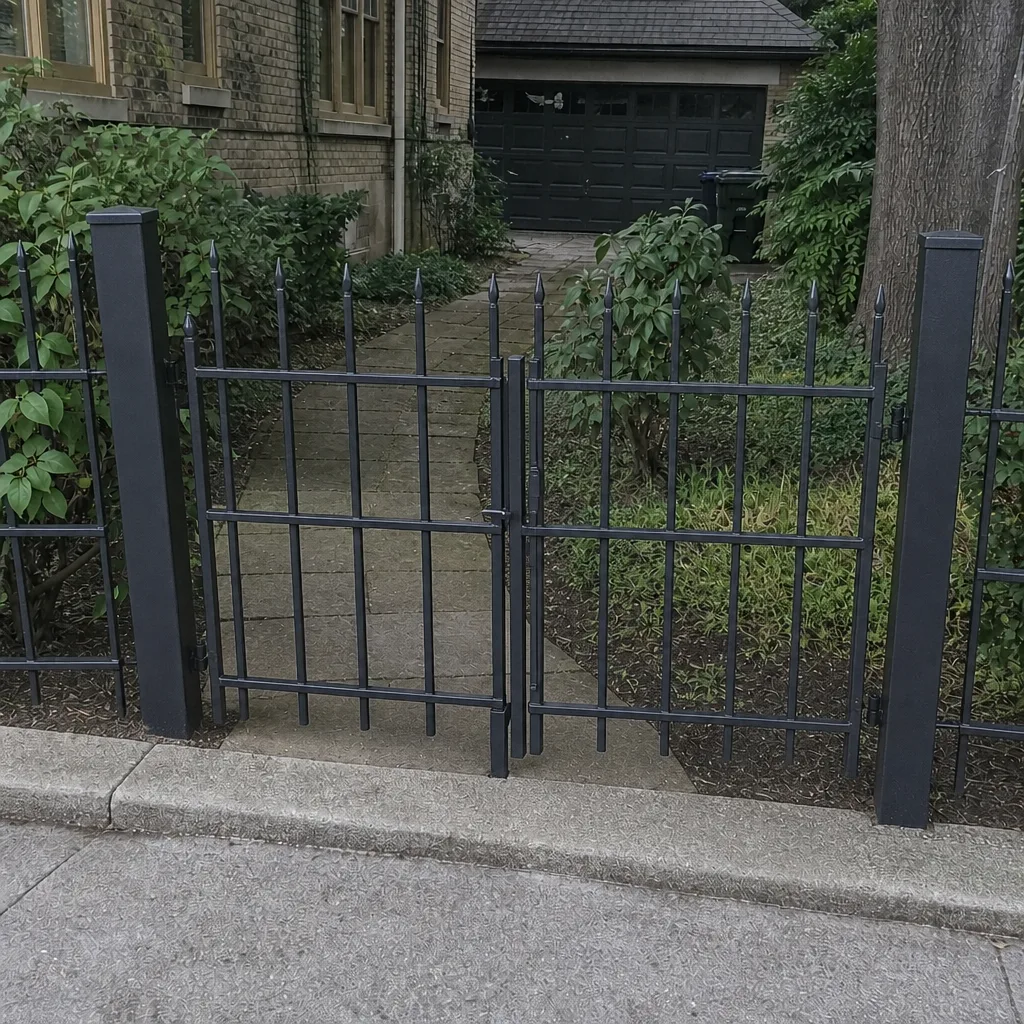
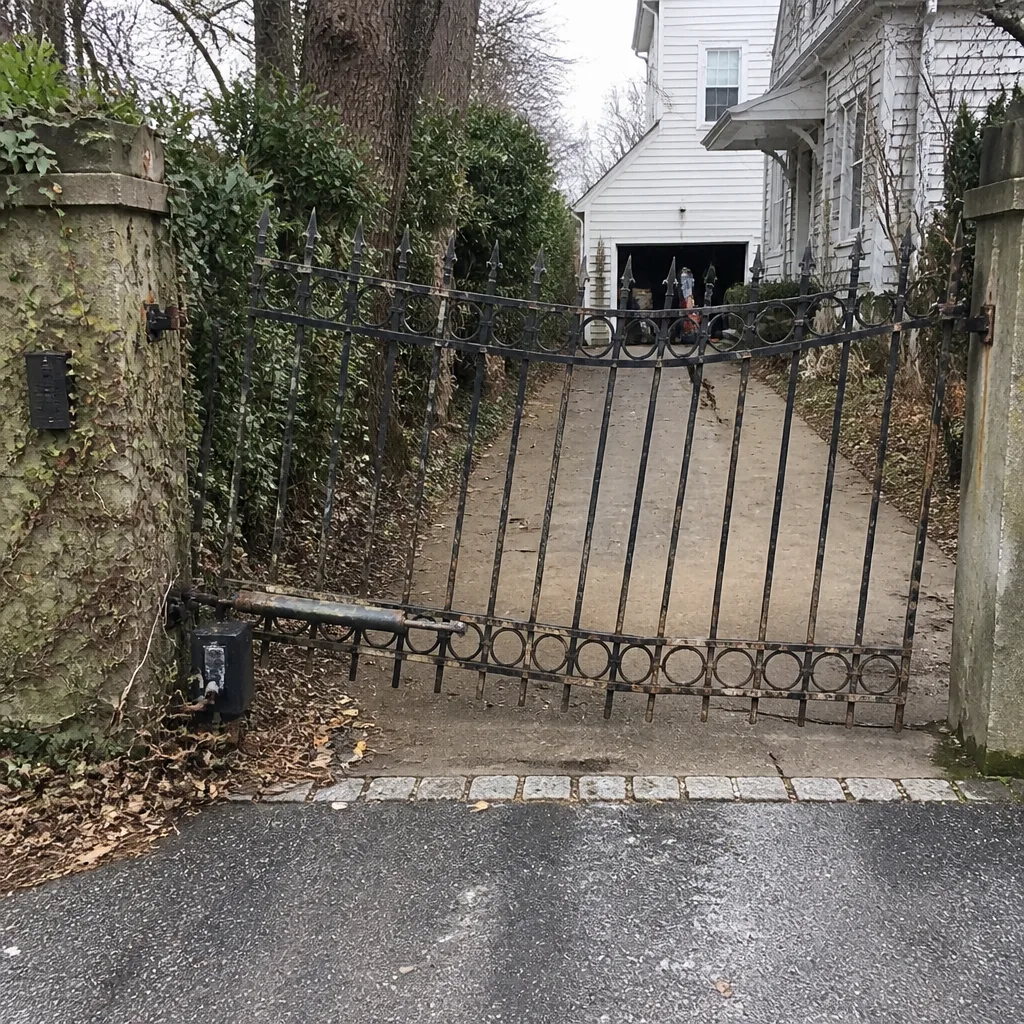
See the difference
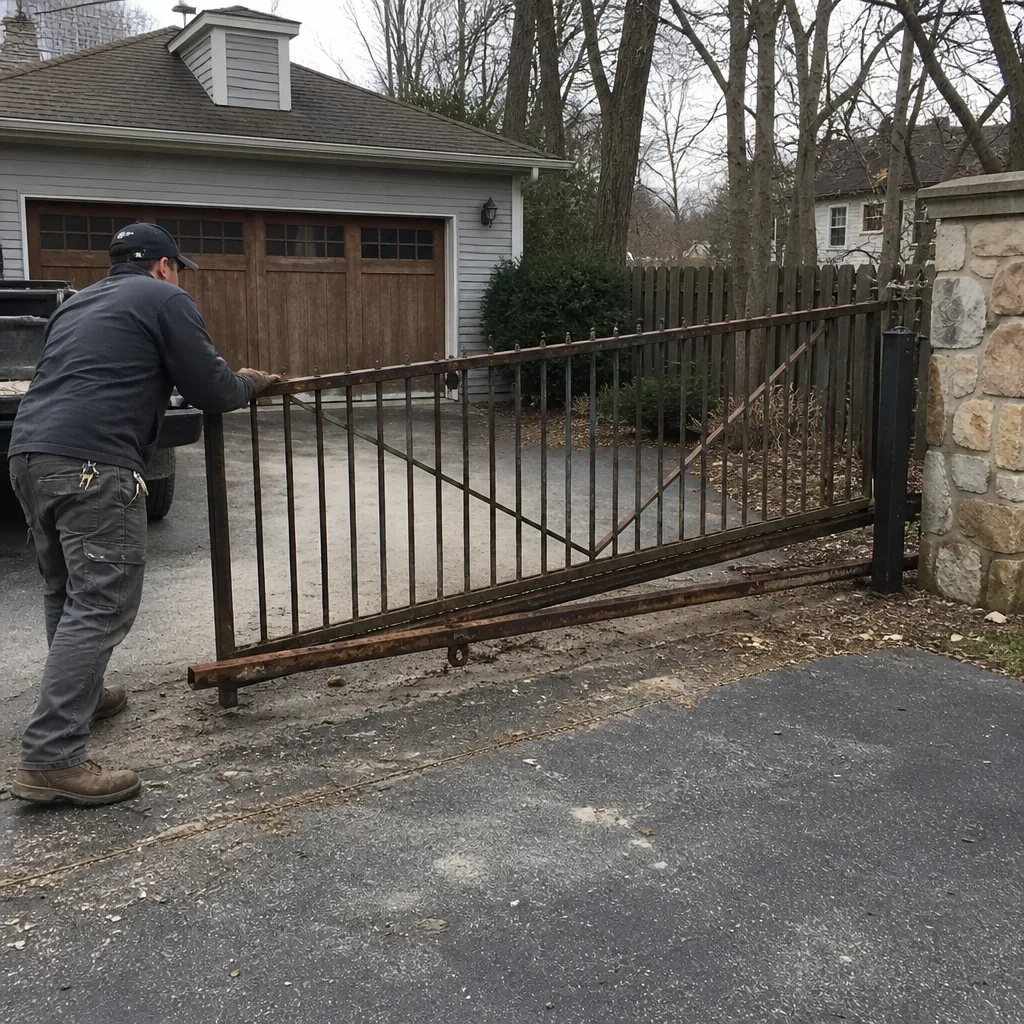 Before
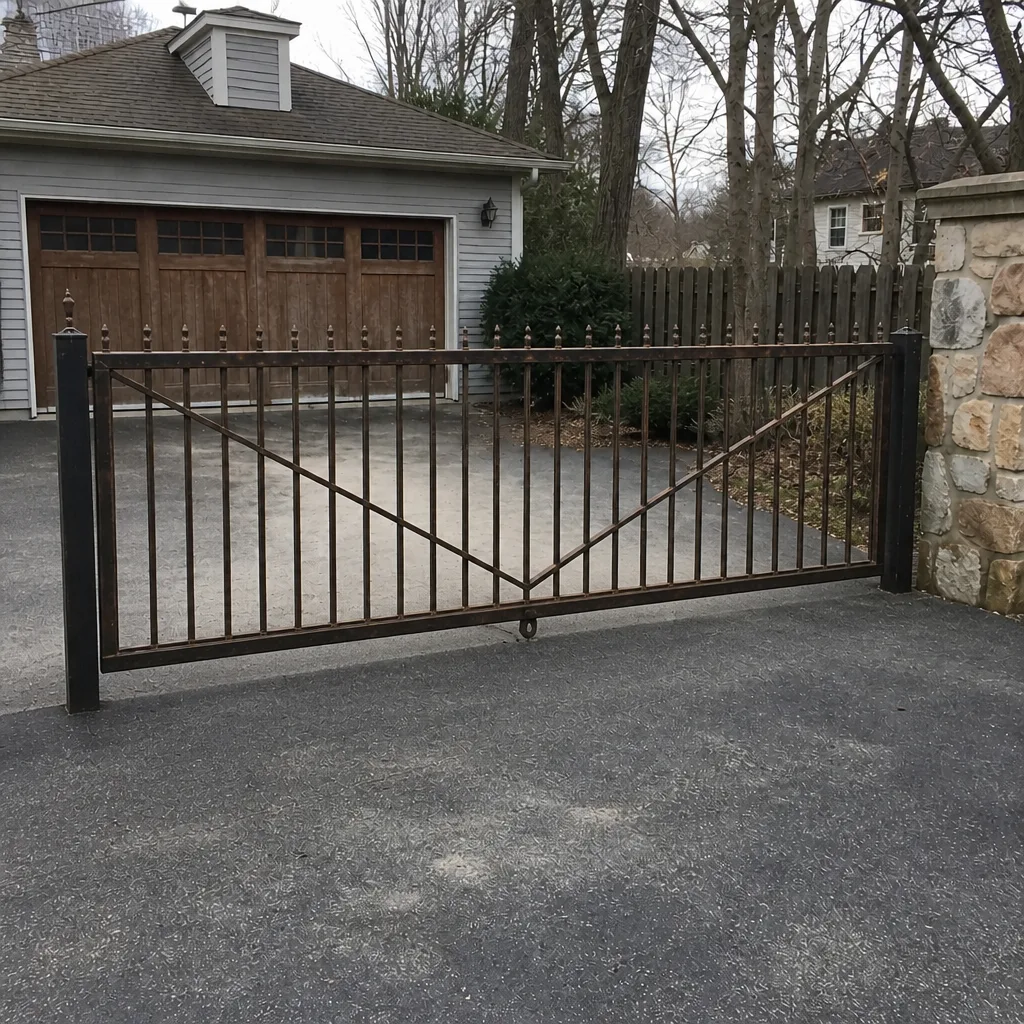 After
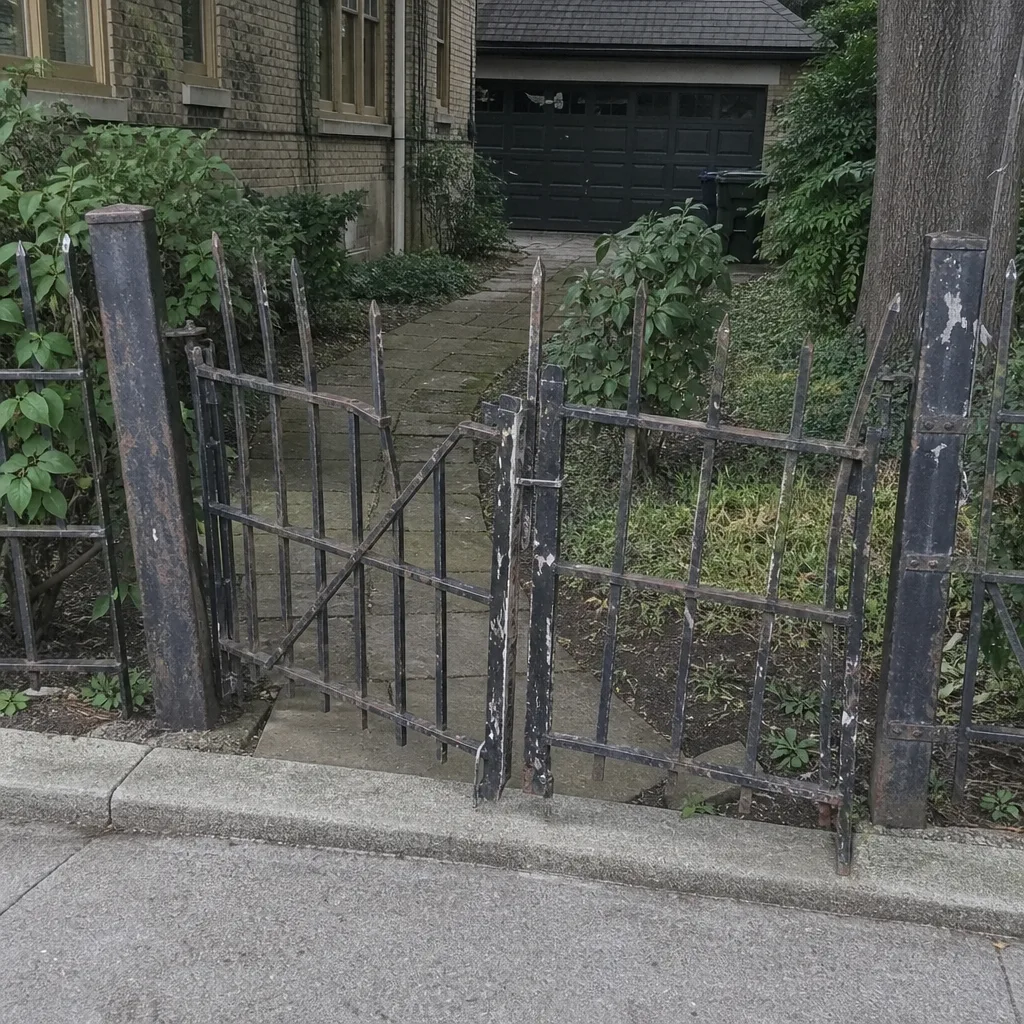 Before
 After
 Before
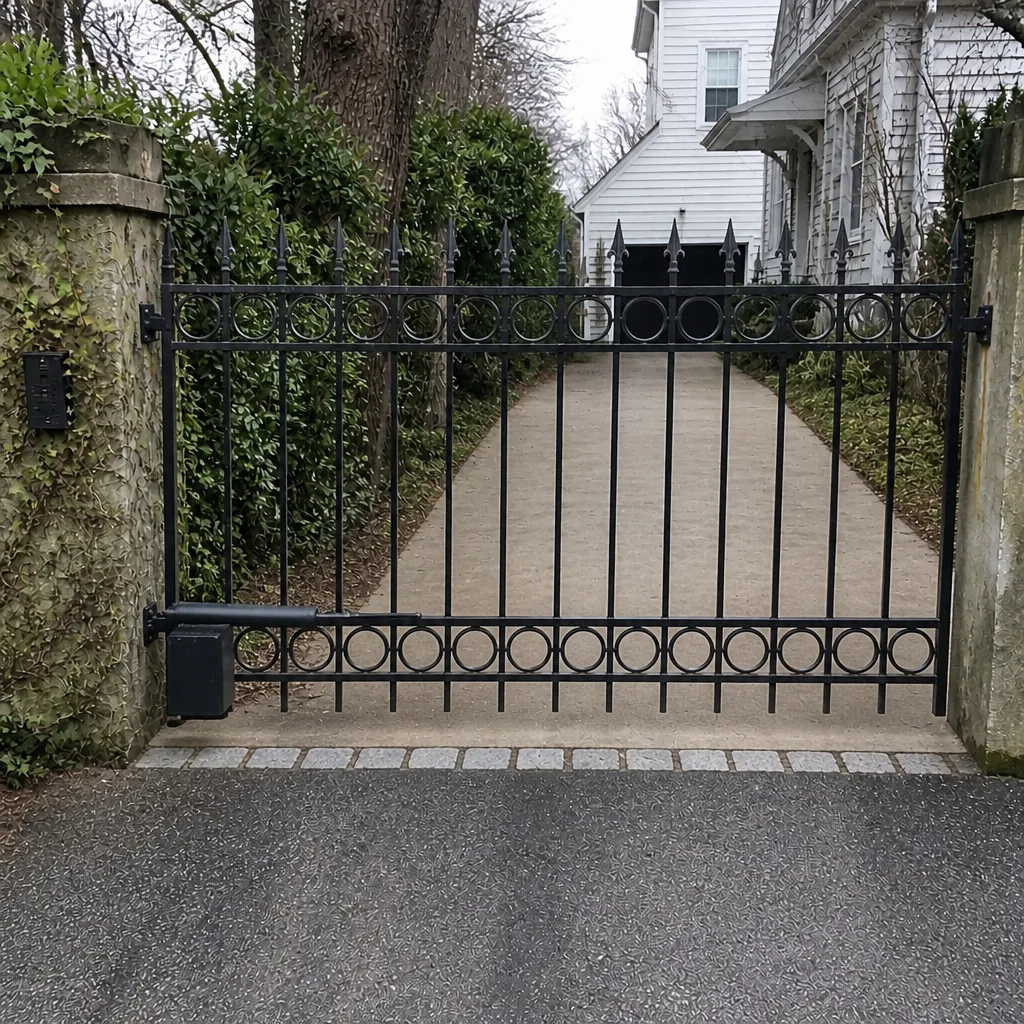 After
When to Call a Professional
Some seasonal checks are safe to do yourself: a walk around the gate, cleaning photo-eye lenses, keeping drainage clear. But once a gate is binding, a post has shifted, the operator is stalling, or you’re seeing recurring codes, it’s time for a trained technician. That work involves the operator’s power and wiring and heavy panels that can crush if a gate drops, swings, or comes off its track, so it’s not a job to take on blind. It’s also where correct diagnosis saves you from replacing the wrong part. Our technicians have up to 11 years of experience across the brands we service, and we work across the whole gate, from the motor to the keypad. Highland Park Gate Repair Pros offers free estimates in Highland Park. Call (833) 513-8561. We answer 24/7. Fast dispatch from 7am to 7pm, Sunday through Friday.
Frequently Asked Questions
October is the single most important month. The fall pre-winter protocol, which includes re-calibrating limits, swapping to a cold-weather lubricant, and clearing drainage, prevents the winter failures that cause the most damage. Getting these ahead of the first freeze saves you from reacting to a breakdown later.
That pattern usually points to a thermally triggered condition rather than a failed part. Cold stiffens lubricant, contracts metal, and adds resistance, and the operator reports an overload it can’t overcome. When it warms up, the condition eases. The system was working correctly; the problem is the cold-driven resistance, which a fall tune-up can reduce.
Walk the gate by hand first and feel for binding. Then check post plumb and gate level, inspect hinges and hardware for winter wear, look at the ground and track, and verify the safety devices and limits. Only after these checks should you put the system under full operator load. If it binds by hand, call a technician before leaning on the operator.
Rubber and plastic seals, photo-eye lenses, control-board gaskets, painted surfaces, and outdoor keypads wear fastest. Humidity and UV dry out seals, cloud lenses, and find their way past tired gaskets. A mid-season visual check catches these early, and cleaning the photo-eyes is the easiest step you can take.
We service nine major gate brands, including LiftMaster, FAAC, BFT, Linear, Viking, Ghost Controls, DoorKing, Elite, and Mighty Mule. We’re brand-agnostic, so we diagnose the brand you have rather than the brand we prefer to sell. That means we can compare, recommend, and source parts without being locked into one manufacturer’s ecosystem.
Yes. We cover the entire gate system, from the motor and opener to access control that ties a gate into intercoms, keypads, and smart-home integrations. Call (833) 513-8561 for an exact quote. Estimates are free.
The Bottom Line
The core idea of this guide is simple: in Highland Park, gate maintenance isn’t evenly spread across the year. Winter and the spring thaw do most of the damage, so effort belongs in October and March, with a light visual touch in summer. Read your diagnostic codes with the season in mind, walk the gate by hand before trusting the operator, and keep drainage clear. Match your effort to the real risk curve and your gate system will hold up through every season. When in doubt, a trained technician catches what a visual pass can’t.
Written by the team at Highland Park Gate Repair Pros.